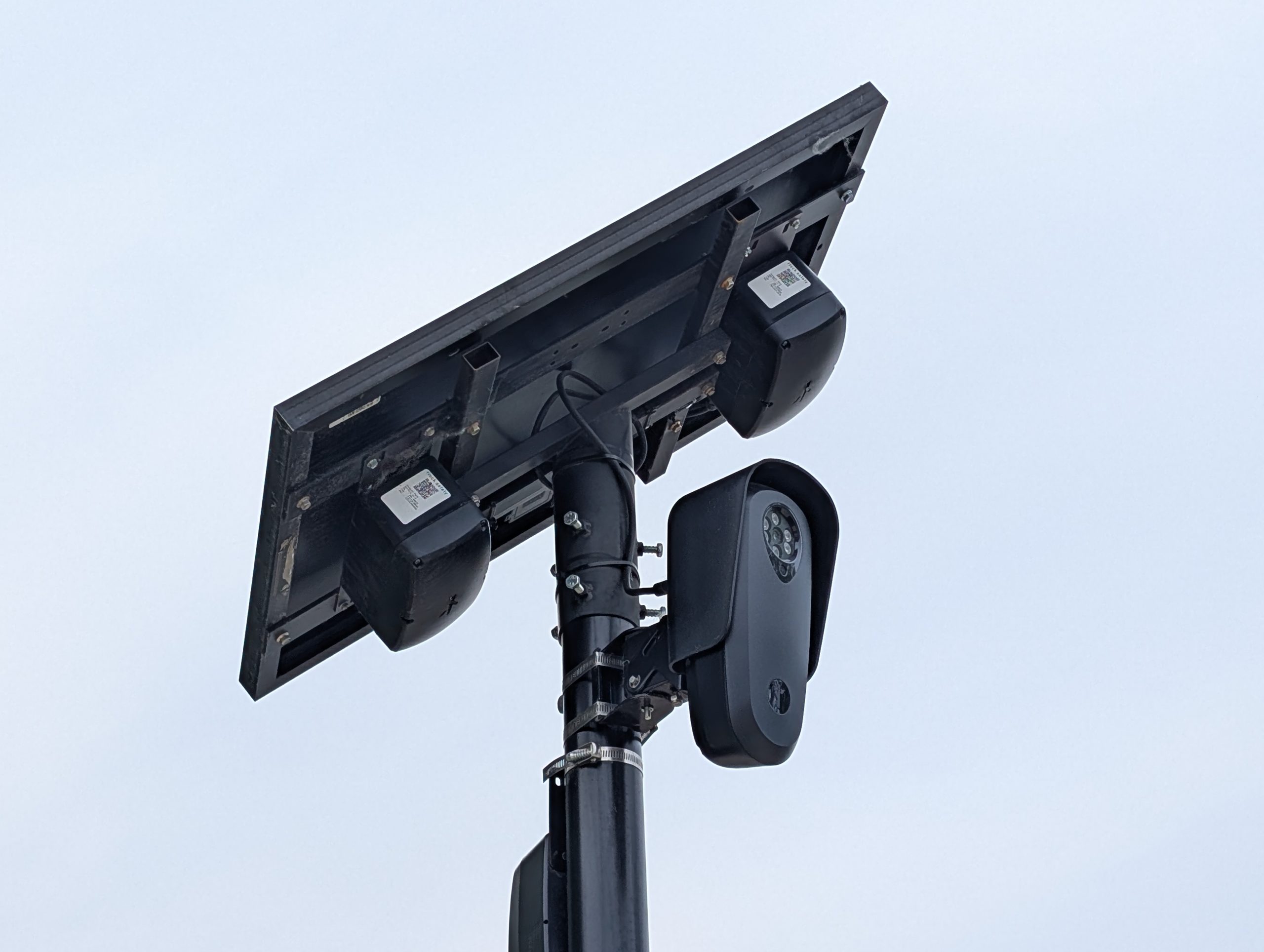
Flock Cameras: Friend or Foe?
The automated license‑plate readers, now used by thousands of police departments nationwide, capture vehicle plates and characteristics to help officers identify stolen cars, locate missing persons and develop investigative leads. The technology remains a flashpoint in communities, but public‑safety agencies report far more crime‑fighting successes than documented misuse. As debates continue over privacy and oversight, the cameras remain firmly in the news — praised by some as an effective tool and questioned by others who worry about how the data could be used.
Pros of Flock Cameras
- Help solve crimes and recover stolen vehicles — Police agencies across the U.S. report that automated license‑plate readers (ALPRs) provide investigative leads and help locate stolen cars and suspects.
- Provide real‑time alerts and situational awareness — Flock’s upcoming upgrades allow police to request live feeds or 15‑second clips, giving officers more context during 911 calls or active investigations.
- Large nationwide network — Tens of thousands of Flock cameras operate in 49 states, creating a broad detection grid for vehicles tied to criminal investigations.
- Objective data capture — Cameras record license plates and vehicle characteristics consistently, without human bias in the moment of observation (inference based on ALPR function; supported by general reporting).
Cons of Flock Cameras
- Privacy and civil‑liberties concerns — Critics argue the system is “ripe for abuse,” enabling mass surveillance and tracking of innocent drivers.
- Expansion into broader surveillance — Flock is transitioning from plate‑only snapshots to full surveillance capabilities, including live video and adjustable camera angles. Civil‑liberties groups warn this could create an “authoritarian surveillance system.”
- Documented misuse by agencies — A Texas agency used Flock data to locate a woman who had a self‑administered abortion across state lines, raising concerns about how the system can be used to enforce controversial laws.
- Potential for tracking protesters and activists — Civil‑liberties organizations warn that ALPR networks can be used to monitor political demonstrations or target specific groups (inference based on concerns cited in sources).
- Data‑sharing risks — Flock’s large network and integrations raise questions about who can access the data and under what oversight. Critics say the system could expose local data to outside agencies.
- Growing power of the system — As Flock adds live streaming and broader surveillance features, concerns increase about mission creep and lack of guardrails.
As cities continue weighing the benefits and risks, Flock cameras are likely to remain part of the public‑safety landscape for the foreseeable future. Supporters point to measurable results, while critics warn that expanding surveillance capabilities demand stronger oversight. Whether viewed as a valuable investigative tool or a step too far into everyday life, the debate over Flock cameras shows no signs of fading — and communities will ultimately decide where the balance should be struck.